


Back to Journal
The Future of Health Intelligence
Reading Time
4 mins

As we move into 2026, the landscape of health intelligence is evolving at an unprecedented pace. Artificial intelligence and machine learning are no longer future possibilities. These are current necessities that are reshaping how health stakeholders understand and use their data.
The most significant shift we're seeing is the democratization of advanced analytics. Tools and capabilities that were once reserved for large enterprises with dedicated data science teams are now accessible to organizations of all sizes, creating new opportunities for innovation and growth.
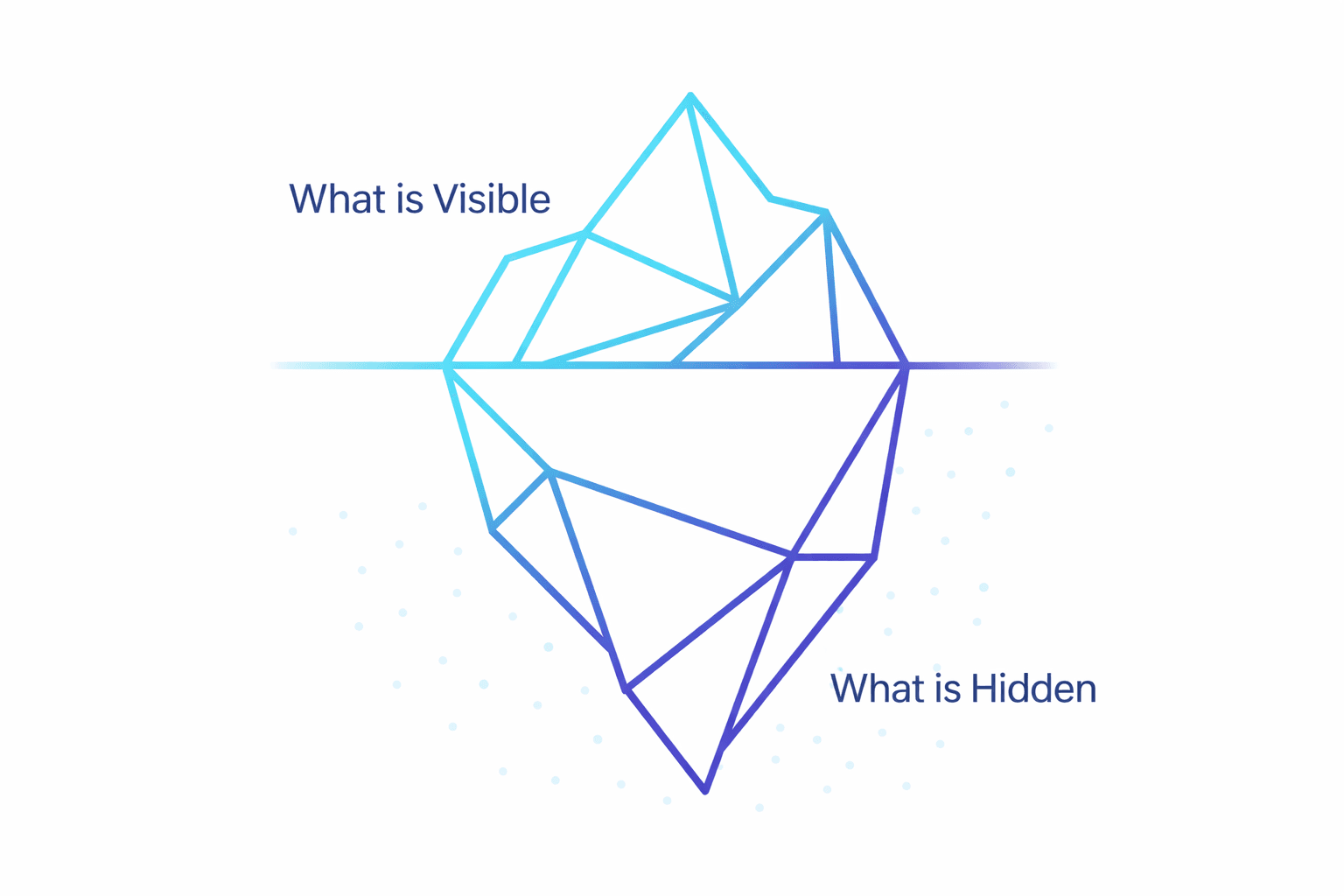
However, the breadth and quality of health data remain abysmal as these are still mired in a retrospective, dated, and incomplete paradigm dominated by claims and EHRs. In other words, we’re upgrading the engines while still fueling them with stale, fragmented inputs.
These constraints are driving a clear set of structural shifts in health intelligence, not just in tools, but in how data is sourced, validated, and used.
Key Trends To Watch
Patient-driven data
Real-time processing
Predictive insights
Automated analytics
Natural language queries
As the industry begins to confront the gap between what AI can do and what healthcare data can reliably support, leaders are reframing the role of data itself:
"With this shift, data becomes more than an asset – it becomes a dependable foundation for safe and timely decision making."
- Kevin Ritter, Executive Vice President, Altera Digital Health (Jan 8, 2026)
This democratization is driving a fundamental change in how businesses compete. Small and medium-sized enterprises can now leverage sophisticated analytical capabilities that were previously only available to industry giants. This leveling of the playing field is fostering innovation and creating new competitive dynamics across virtually every industry.
But in healthcare, democratized analytics will only matter to the extent that the underlying data becomes trustworthy, timely, and meaningfully complete.
The most valuable signal in healthcare is often the least captured: symptoms, function, side effects, adherence, triggers, quality of life: the lived experience that rarely makes it into a clean field in the EHR. Patient-driven data isn’t a “nice to have.” It is how we fill the gaps that claims and clinical notes can’t.
Healthful Data’s edge: purpose-built, structured, longitudinal capture that turns “self-recall” into usable intelligence while keeping the patient in control through explicit consent, transparency, and the ability to opt out. . In 2026 and beyond, the organizations that win won’t just be the ones with the best models. They will be the ones that earn participation, build trust, and turn lived experience into a dependable foundation for better decisions.