


Back to Journal
The Rise of Predictive Analytics: A Game-Changer for Health Outcomes
Reading Time
4 min

Health intelligence is shifting from reporting what happened to anticipating what happens next. Predictive analytics is no longer a niche capability reserved for advanced teams. It is becoming a practical, everyday tool that can improve outcomes, reduce avoidable cost, and support better decisions across the care continuum.
This shift is being accelerated by the same force reshaping analytics everywhere: accessibility. More organizations can now deploy sophisticated models and decision support without building a large internal data science function. But in healthcare, predictive analytics only becomes a true game-changer when the underlying data is timely, complete, and trustworthy.
Too often, healthcare data still reflects a retrospective and incomplete view of the patient, dominated by claims lag and episodic EHR snapshots. In 2026, the competitive advantage will go to organizations that can close the gap between model capability and real-world signal.
Trends to Watch
From one-size risk scores to personal trajectories: understanding where a patient is headed, not just where they are
From batch refresh to near real time: acting while there is still time to change the outcome
From analytics teams to frontline workflows: putting insights into clinical and operational action
From black boxes to governed intelligence: making predictions auditable, explainable, and safe to use
"There are still a lot of models where we understand how they work retrospectively, but medicine is practiced prospectively."
- Roy Perlis, Editor-in-Chief, JAMA+ AI Conversations (published Oct 9, 2025)
For health systems, predictive analytics becomes a lever for both outcomes and sustainability:
Identifying deterioration risk earlier to reduce avoidable admissions and escalation
Prioritizing outreach based on who is most likely to decompensate or fall through gaps
Supporting value-based care performance through more proactive care coordination
For providers and care teams, the promise is not more alerts. It is better prioritization:
Surfacing the next best action for the right patient at the right moment
Flagging symptom burden and functional decline that rarely appears cleanly in the chart
Reducing cognitive load by summarizing risk drivers and recommended steps
For biopharma, predictive analytics can improve both development efficiency and post-launch learning:
Improving trial feasibility by identifying likely eligible patients earlier
Supporting new starts and adherence by understanding barriers and patient burden
Strengthening real-world evidence by linking outcomes to context, adherence, and lived experience
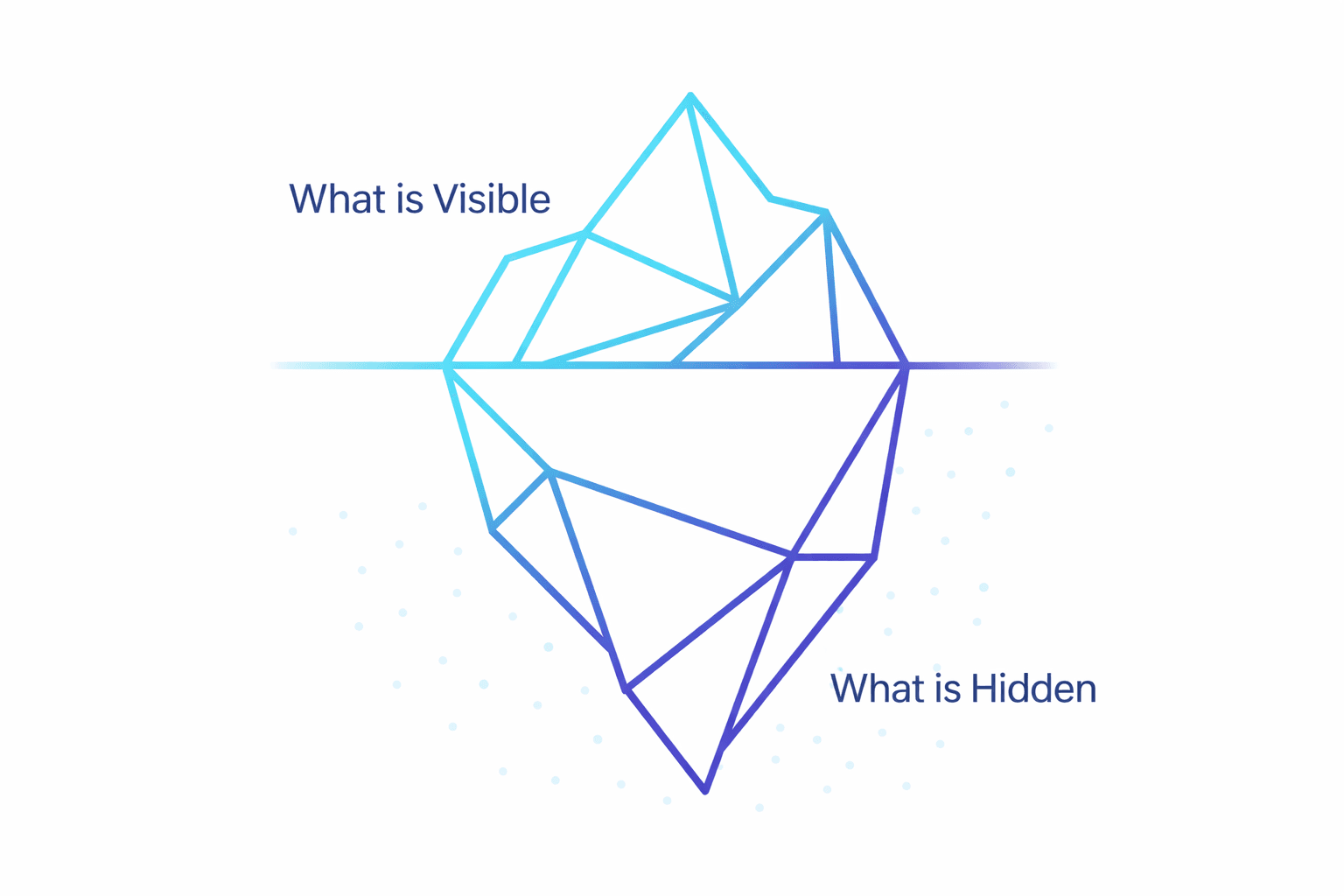
Predictive analytics succeeds when it can learn from reality, not just billing events and intermittent encounters. Many of the most predictive signals are patient-level and time-sensitive: symptoms, function, side effects, adherence friction, behavioral barriers, and goals. These are often invisible in standard datasets until it is too late.
That is where Healthful Data is uniquely positioned. By capturing structured, longitudinal, patient-driven information with clear consent and transparency, Healthful Data can complement claims and EHR data with the signal predictive models need to be both accurate and actionable.